
In a word: Yes.
When most people think about home security, they picture alarm systems, electric fences, and motion-sensor lights. But there’s another layer of protection that’s often overlooked, and it grows right outside your door.
That’s right: plants can be a surprisingly powerful part of your home’s security plan. Whether you live in a leafy suburb, a smallholding, or a townhouse with a compact garden, the right plants can make your property less appealing, and much harder, for would-be intruders to enter.
Why “defensive gardening” works
Burglars look for easy targets. An open fence line, a bare wall, or a window surrounded by soft landscaping is practically an invitation. But dense, thorny or spiky plants act as a natural deterrent. They slow intruders down, increase the risk of injury, and make it difficult to approach quietly or escape quickly.
The key is to choose plants that suit your region and to position them strategically: around fences, below windows and near access points like gates or corners.
Best security plants for South African gardens
South Africa’s diverse climate means there’s a natural “security plant” for almost every part of the country — from coastal gardens to dry inland areas and Highveld suburbs.
1. Kei Apple (Dovyalis caffra)
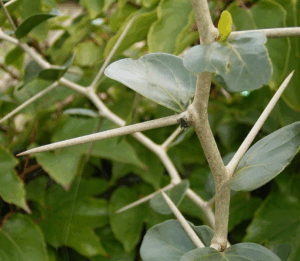
Best for: Gauteng, Limpopo, North West, Free State
A South African classic, Kei Apple is dense, evergreen, and brutally thorny, a favourite for security hedging. It grows up to 4 m high, can be pruned into a hedge, and its thorns (up to 5 cm long) are strong enough to stop even the most determined trespasser. Bonus: it produces small edible fruit that can be made into jam.
2. Bougainvillea (Bougainvillea glabra and cultivars)
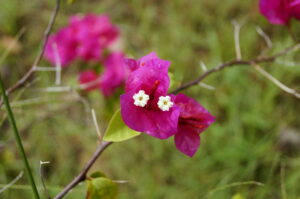
Best for: Coastal regions and warm inland climates
Few plants combine beauty and defence quite like the Bougainvillea. The thorny vines grow fast, cling to fences or trellises, and produce a riot of pink, purple or orange blooms almost year-round. A dense wall of Bougainvillea is nearly impossible to climb and looks fantastic doing the job.
3. Wild Olive (Olea europaea subsp. africana)
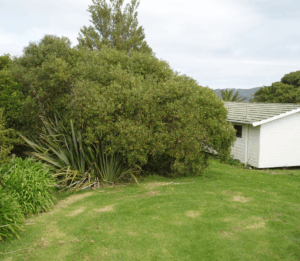
Best for: Most parts of SA, especially semi-arid areas
This hardy indigenous tree can be pruned into a thick, defensive hedge. Though not thorny, its dense structure makes it difficult to move through, and it’s drought-resistant, perfect for low-maintenance security landscaping.
4. Cactus and Aloes (Aloe marlothii, Aloe ferox, Euphorbia tirucalli)
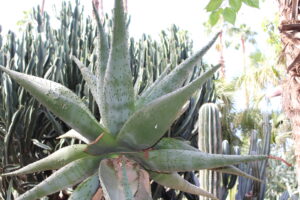
Best for: Arid and sunny gardens
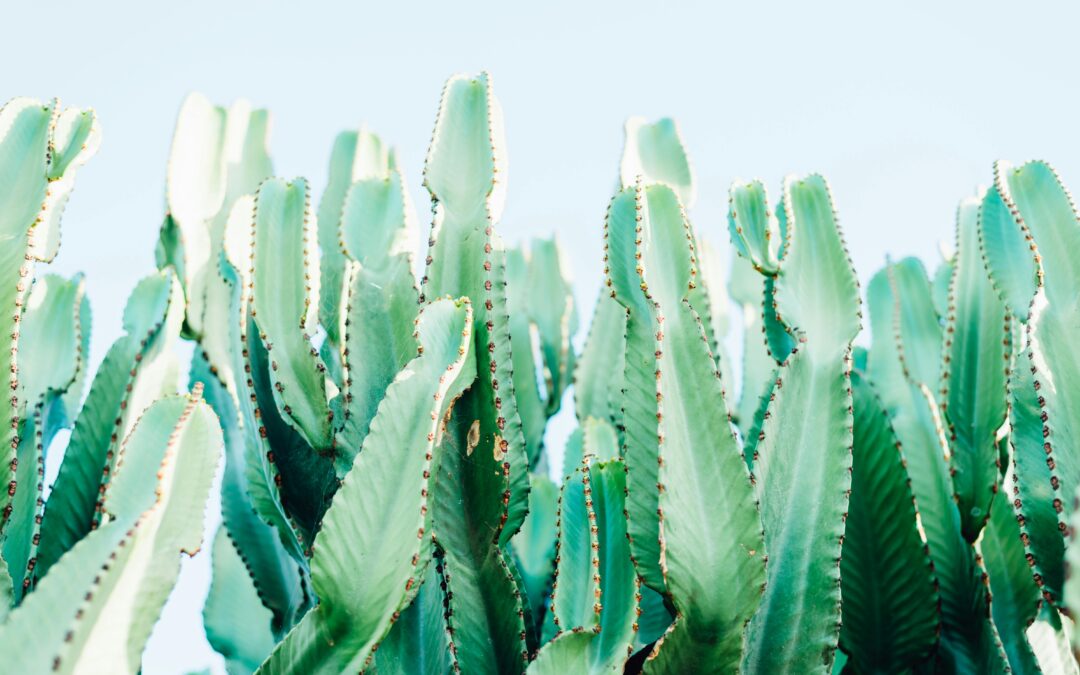
Aloes and euphorbias are superb natural barriers. Aloe ferox (Cape Aloe) has tall, serrated leaves that can cause serious injury if brushed against. Euphorbia tirucalli (Fire-stick plant) adds a sculptural look but must be handled with care – its milky latex is highly irritating to skin and eyes. Combine these with rocks or gravel for an attractive, low-water defensive border.
5. Natal Plum (Carissa macrocarpa)
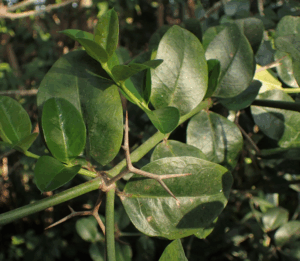
Best for: Coastal and subtropical areas
Dense, evergreen, and armed with forked thorns, the Natal Plum forms a glossy green hedge ideal for seaside homes. It’s also indigenous and attracts pollinators. The fruit is edible – just make sure pets and small children don’t chew the leaves or stems, which contain a mild toxin.
6. Wild Rosemary (Eriocephalus africanus)

Best for: Cape regions and water-wise gardens
Although not thorny, Wild Rosemary grows thick and bushy, making it useful as a filler between more aggressive plants. Its fragrant leaves and grey-green foliage deter insects and can be used for cooking or potpourri, a nice security-meets-sensory combo.
Where to plant for maximum protection
-
Below windows: Compact, thorny plants like Kei Apple or Natal Plum make it painful for anyone to try squeezing through.
-
Along fences: Bougainvillea or cactus lines are ideal. Use wire supports to encourage dense coverage.
-
Under walls or palisades: Fill the base with spiky species that make it impossible to grip or climb.
-
Driveway entrances or corners: These are key access points. Layer tough shrubs in front of fencing or gates.
For those without gardens
Even if you live in an apartment or townhouse, you can still use plants to improve safety:
-
Balcony barriers: Potted cacti, aloes, or thorny roses along railings discourage access and add privacy.
-
Window boxes: Dense, prickly succulents like Euphorbia milii (Crown of Thorns) create a small but effective obstacle.
-
Vertical planters: Install trellises with climbing Bougainvillea or rambling roses for both greenery and protection.
If you’re renting or limited by body corporate rules, potted plants are temporary, movable, and landlord-friendly, but still add an extra layer of deterrence.
Maintenance matters
A security hedge is only effective if it’s maintained. Prune regularly to keep plants thick at the base (not leggy and sparse), remove dead growth, and ensure there are no hidden gaps where someone could slip through.
Also, remember to leave visibility lines – you still want to see your perimeter and not create hiding spots for intruders.
South Africans understand the importance of layered security – electric fencing, beams, WindoGrippers, dogs, and neighbourhood watches all play their part. But defensive gardening adds a layer that blends protection with beauty.
From Kei Apple hedges in the Highveld to Bougainvillea fences along the coast, the right plants can help you grow your security naturally.
So next time you pick up your pruning shears, remember: a well-designed garden can do more than look good — it can help keep you, your family, and your home safe.